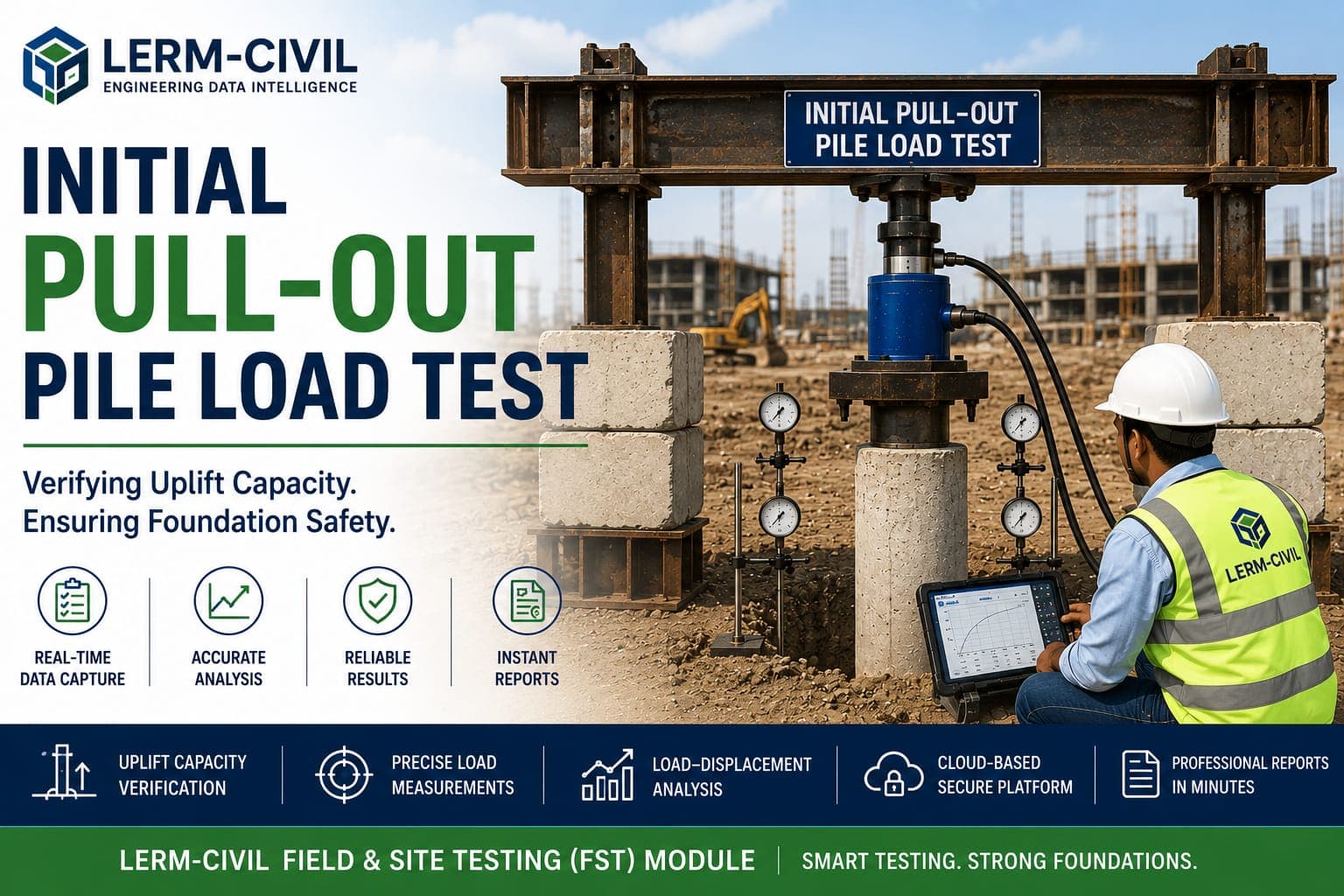
INITIAL PULL-OUT PILE LOAD TEST
LERM-CIVIL FST Module digitizes the entire Initial Pull Out Pile Load Testing process, enabling real-time data capture, analysis, and reporting. As load and displacement observations are entered, the system automatically generates calculations and load-displacement curves without manual intervention. This eliminates spreadsheet-based workflows, improves accuracy, and significantly reduces report preparation time. The platform provides centralized management of test data, standardized reporting, and faster evaluation of pile uplift performance. It helps foundation engineers make quicker and more reliable design decisions.
Introducing LERM-CIVIL FST Module for Real-Time Initial Pull Out Pile Load Test Analysis
For Geotechnical Consultants, Foundation Engineers, Infrastructure Developers, and Testing Laboratories, validating the uplift capacity of piles is critical for structures subjected to tensile forces, overturning moments, wind loads, transmission towers, and uplift pressures.
The accuracy of load application, displacement measurements, load-displacement curves, and test interpretations directly impacts foundation design and project safety. Yet the testing and reporting process often remains dependent on manual calculations, spreadsheets, and disconnected software tools.
Until now.
Traditionally, engineers record dial gauge readings at every load stage, manually transfer observations into spreadsheets, generate load-displacement graphs separately, perform calculations, and compile reports using multiple applications. The process is time-consuming, prone to errors, and often delays engineering decisions.
Our Field & Site Testing Module (FST) in LERM-CIVIL transforms this workflow into a seamless digital process.
As soon as pull-out load and displacement observations are entered into the system, calculations, graphical analysis, and reporting are automatically generated in real time. Engineers can instantly evaluate pile behavior, uplift resistance, and load-displacement characteristics without manual intervention.
No manual plotting.
No spreadsheet-based calculations.
No repetitive report preparation.
One platform. One workflow. Complete control over your pile testing process.
The result?
Centralized management of test observations, calculations, graphs, and reports
Automated generation of load-displacement curves in real time
Faster evaluation of pile uplift performance
Improved data accuracy through digital data capture
Standardized reporting across projects and testing teams
Reduced report preparation time from hours to minutes
Better engineering confidence for foundation design decisions
Whether you're testing anchor piles, transmission tower foundations, marine structures, retaining systems, or specialized deep foundations, LERM-CIVIL FST provides a structured and efficient approach to managing Initial Pull Out Load Tests.
Ready to modernize your pile testing workflow?
🚀 Take a free tour of the platform! www.lerm.in
Why foundation testing teams choose LERM-CIVIL FST?
Instant load-displacement graph generation
Complete traceability of test observations and calculations
Faster reporting with professional report formats
Improved collaboration between field and office teams
Reliable and consistent testing documentation across projects
#InitialPullOutTest #PullOutPileTest #PileTesting #FoundationEngineering #GeotechnicalEngineering #PileLoadTest #DeepFoundation #CivilEngineering #Infrastructure #ConstructionTechnology #FoundationDesign #Geotech #Automation #EngineeringSoftware #LERMCIVIL #FieldTesting #DigitalTransformation #SaaS #LIMS
Related Posts
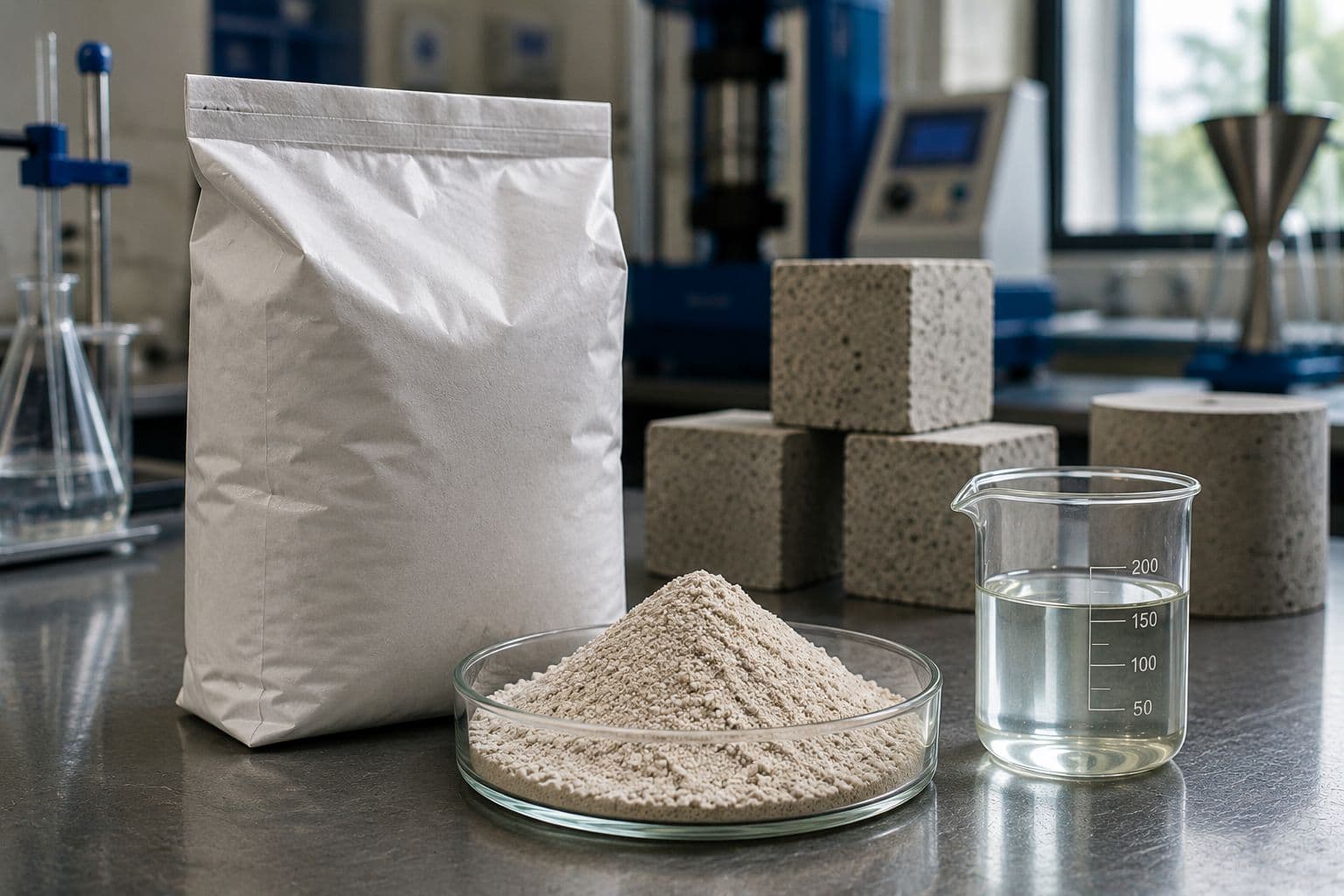
Cebex 100
Cebex 100 is widely used in construction applications where material performance, consistency, and compliance with project requirements are critical. LERM-CIVIL provides laboratory testing services to verify key quality parameters, helping consultants, contractors, and project stakeholders maintain confidence in material acceptance and project execution.
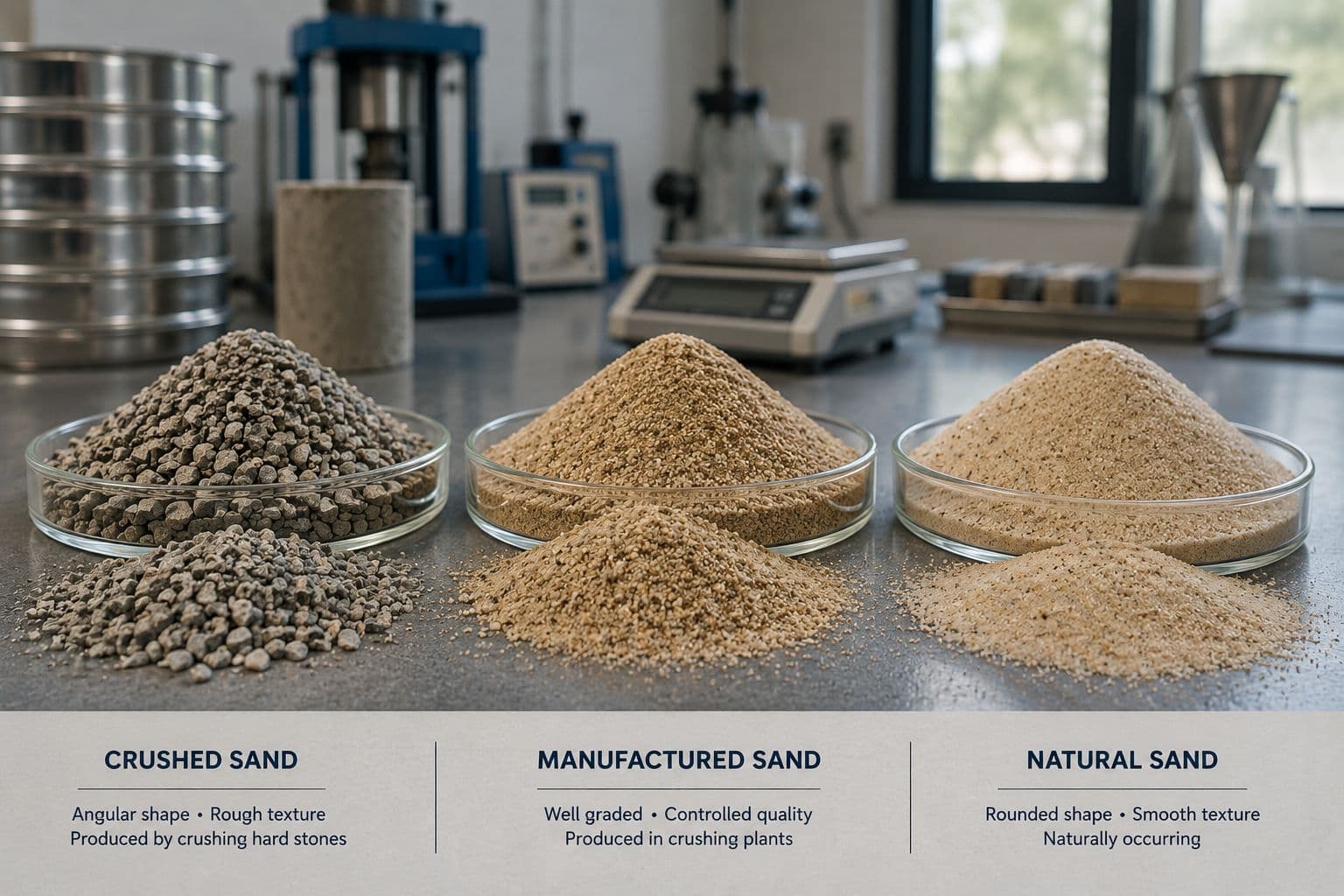
Crushed Sand / Natural Sand / Manufactured Sand
Selecting the right sand for construction projects requires more than visual inspection and supplier documentation. LERM-CIVIL provides specialized testing services for crushed sand, natural sand, and manufactured sand, helping project stakeholders verify material quality, define testing requirements, and support informed construction decisions.

Bipolar Test
Bipolar compounds used in infrastructure and industrial applications must meet strict quality and performance requirements before deployment. LERM-CIVIL provides comprehensive laboratory testing services to evaluate critical physical and chemical characteristics, helping clients verify compliance, maintain quality standards, and support safe application.